
Rethinking Tau Biology: The Future Of Neurodegenerative Drug Discovery
A conversation with Melissa Murray, Ph.D., professor and consultant of Department of Neuroscience and consultant of Laboratory Medicine and Pathology, Mayo Clinic; and Amy Rommel, Ph.D., scientific program director, Rainwater Charitable Foundation
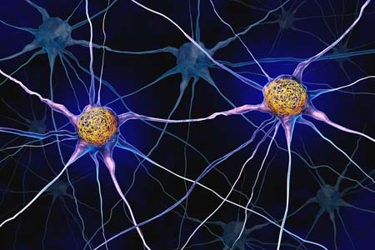
Tau is a protein found in neurons in the brain that drives multiple neurodegenerative diseases, yet there are still no disease-modifying treatments. Melissa Murray, Ph.D., co-directs the world’s largest brain bank focused on tauopathies, which is an invaluable resource that’s helping researchers spot biological differences that were not visible before in rare diseases. The Rainwater Charitable Foundation helps fund neurodegenerative research, awarding prizes to researchers like Murray.
In this Q&A, Life Science Connect’s Morgan Kohler caught up with Murray and Rommel to discuss tau-associated neurodegenerative diseases.
Can you tell us about the accumulation of tau protein in the brain and the neurodegenerative diseases associated with this?
Rommel: What many people may not fully appreciate is that the accumulation of tau protein is one of the most consistent biological threads across nearly all neurodegenerative diseases. We see this not only in Alzheimer’s disease but in Parkinson’s disease and Lewy body dementia. Tau protein accumulation is central and dominant in primary tauopathies, like frontotemporal dementias, progressive supranuclear palsy (PSP), corticobasal degeneration (CBD), and chronic traumatic encephalopathy (CTE). In the healthy brain, tau exists in a balance of 3R and 4R isoforms, and when that balance shifts, particularly toward 4R dominance in diseases like PSP and CBD, brain pathology follows, suggesting that isoform imbalance may contribute to selective vulnerability. Each of these diseases presents with differences in symptoms and prognostic timelines; however, tau repeatedly emerges at the center of dysfunction.
What biological differences have been uncovered in your research that weren’t previously visible?
Murray: One of the biggest insights from our work is that Alzheimer’s disease is not a single uniform disease, even though it was historically treated that way. When we began carefully studying large collections of human brain tissue, we saw that the distribution of tau pathology varies dramatically across patients. Some individuals show the classic memory-predominant pattern centered in the hippocampus, but others, especially younger patients, show very different patterns affecting language networks or visual processing networks.
This revealed that Alzheimer’s is really a spectrum of biological subtypes, each defined by different patterns of regional vulnerability in the brain. That was difficult to appreciate previously because we lacked the tools to quantify pathology across large cohorts.
Neuroimaging studies further helped reveal another important biological insight. When tau positron emission tomography (PET) tracers were developed to visualize changes in the brain in living patients, researchers quickly noticed that they worked very well in Alzheimer’s disease but show much weaker signal in primary tauopathies. What we now understand is that tau protein adopts different shapes (molecular conformations) in different diseases. The first generation of tau PET radioligands were optimized to bind the specific tau structure that forms neurofibrillary tangles in Alzheimer’s disease, which is why they preferentially detect Alzheimer-type pathology.
The realization that tau pathology exists in different molecular forms and maturation stages also helped us interpret fluid biomarkers. By studying human brain tissue, we found that different biochemical forms of tau appear at different stages of tangle development. This helps explain something that puzzled the field for years: why plasma phosphorylated tau biomarkers rise earlier than tau PET imaging signals. The biology changes at the molecular level before imaging can detect the mature tangles. However, tau biomarker changes in fluids were not as readily detected in tauopathies as was seen in Alzheimer’s disease. When examining brain tissue of tauopathies and Alzheimer’s disease, using the same antibodies to detect changes in blood plasma, we found the same forms of phosphorylated tau in the brain but low levels in biofluids of tauopathies. We speculated in the “intersection hypothesis” that this disconnect was the result of a lack of amyloid-β influencing release of phosphorylated tau in biofluids.
Together these findings show that tau pathology unfolds along multiple biological axes — regional vulnerability, cell-type responses, and molecular maturation of tau pathology. Once you can see those layers, the disease becomes much more interpretable.
How can your findings be translated into drug discovery and development, and what therapeutic outcomes can scientists realistically hope for?
Murray: A large part of our work has focused on improving our understanding of biomarkers. Neuroimaging and fluid biomarkers, particularly blood-based biomarkers, have become critical tools for understanding the biology of primary tauopathies and Alzheimer’s disease in living patients.
By improving our understanding of what these biomarkers actually represent in the brain, we can connect what we measure in life, through neuroimaging or blood tests, to the underlying biological changes occurring in brain tissue. That connection is incredibly important for clinical trials, because it allows us to diagnose disease biology more accurately and determine whether a therapy is truly modifying the disease process.
In practical terms, biomarkers allow researchers to identify the right patients for trials, track whether a treatment is affecting the biology we think it should, and evaluate whether those biological changes ultimately translate into better outcomes for patients.
Realistically, the goal in the near term is to develop therapies that slow disease progression or delay symptom onset, and biomarkers are essential tools for measuring whether we are achieving that.

From your perspective, why are there still no disease-modifying treatments, and where is drug discovery struggling?
Murray: There are many theories about why disease-modifying treatments have been so difficult to develop, but one major challenge is the nature of the target itself. In diseases like primary tauopathies, the protein that becomes abnormal, tau, is actually a normal protein that plays an essential role in healthy brain function. That makes it a very complex therapeutic target. If you try to eliminate or strongly suppress tau, you risk interfering with the normal functions that neurons rely on.
So, the challenge becomes how to modify the disease-causing forms of the protein without disrupting its normal role in the brain.
One approach we and others are pursuing is studying genetic forms of tau disease, particularly mutations in the MAPT gene that encodes tau. These rare familial cases provide very clear biological entry points for therapeutic development. By understanding the specific mechanisms by which those mutations drive disease, we can begin designing therapies that more precisely target harmful processes.
What’s encouraging is that there have been many exciting advances recently in therapies aimed at genetic neurodegenerative diseases. By focusing efforts on these rare but well-defined conditions, we often uncover mechanisms that apply much more broadly. In other words, advances that begin in rare genetic diseases can ultimately benefit millions of patients with more common forms of neurodegeneration. Our careful study of the brain has greatly inspired the Translational Neuropathology laboratory’s dogged pursuit of drug discovery in MAPT, and I’m excited to share our exciting developments in the years to come.
Rommel: We do not yet have disease-modifying treatments for tauopathies for several reasons, many of which echo challenges the oncology field faced and began to address decades ago. These include an incomplete understanding of the earliest mechanisms driving pathology and the difficulty of identifying and treating disease at its earliest stages. The tauopathy field initially focused on aggregated tau, but growing evidence suggests that soluble tau species, including intracellular oligomers, may contribute to early toxicity and propagation. Enrolling patients in clinical trials after symptoms appear, when significant synaptic and neuronal loss has already occurred, also has limited progress. For oncology, cancer outcomes improved when researchers and funders aligned around a clear mechanistic road map, detected disease before symptoms emerged, and identified molecular drivers that enabled earlier personalized intervention. Neurodegenerative research is approaching a similar inflection point, as funders and scientists increasingly recognize that each patient carries a unique biological fingerprint shaped by tau isoforms, co-pathologies, genetics, and inflammatory state.
Disease-modifying success will likely require earlier detection and combination approaches tailored to individual biology rather than a one-size-fits-all solution. Just as many cancers have shifted from a fatal diagnosis to a manageable condition, dementia outcomes can shift as we adopt the same early detection, precision medicine, and field alignment that reshaped oncology.
About The Authors
 Amy Rommel, Ph.D., is the scientific program director at the Rainwater Charitable Foundation, where she helps guide a research portfolio focused on developing disease-modifying therapies for primary tauopathies through the Tau Consortium and related initiatives. Her work spans translational science, biomarker discovery, data platforms, and clinical trials, with growing emphasis on AI-enabled data integration and biomarker-driven precision medicine in neurodegeneration. Prior to Rainwater, Rommel spent more than 15 years in academia studying DNA repair, genetic engineering, and cancer biology, developing experimental approaches aimed at uncovering new therapeutic strategies for treatment-resistant breast cancer and glioblastoma. She is a TEDx speaker, science advocate, and board member of Cure MAPT FTD.
 Melissa E. Murray, Ph.D., is a translational neuropathologist at Mayo Clinic and co-director of the brain bank. Her research focuses on understanding why tau-mediated diseases, including primary tauopathies and Alzheimer’s disease, affect individuals differently, particularly why young-onset forms progress more aggressively. Her work integrates digital pathology, neuroimaging, and blood-based biomarkers to define biological variability of tau pathology. She is especially passionate about “transformative neuropathology,” combining descriptive human brain research with artificial intelligence to make disease measurement more objective, scalable, and clinically meaningful (termed pathomics), with the goal of translating discoveries at the microscope into improved diagnosis and care for patients.