
From "Live Drug" To Precision Tool: Redefining CAR T Safety
By Chris Ehrlich, CEO, CERo Therapeutics
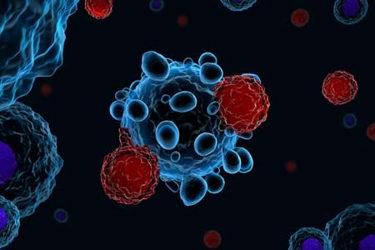
In the last decade, CAR T cell therapy has shifted from an experimental moonshot to a cornerstone of modern oncology. By retargeting T cells, the immune system’s high-octane infantry, to recognize cancer with surgical precision, oncology treatment has seen unprecedented remissions in patients who had previously exhausted all options.
However, this potency has historically come with a significant tax in the form of systemic toxicity. The very cytokines that allow T cells to clear a tumor can also trigger life-threatening complications, creating a cytokine ceiling that has limited the reach of these therapies.
Through important chemistry and the right engineering, there’s a new opportunity for these therapeutics to target different forms of cancer with limited toxicity.
The Trade-Off: Potency Vs. Toxicity
The prevalence of the big three side effects of CAR-T has effectively acted as a gatekeeper for treatment. These side effects can include cytokine release syndrome (CRS), immune effector cell-associated neurotoxicity syndrome (more commonly known as ICANS), hemophagocytic lymphohistiocytosis macrophage activation syndrome (HLH/MAS), and more. These conditions can have various negative clinical manifestations, and the impacts can require intensive monitoring or an ICU stay, as well as cognitive impairment, aggressive immunosuppression, and more. Currently, the risk-to-reward ratio of standard CAR T is generally only justified for acute, late-stage malignancies.
While these side effects can have a rapid onset and have the potential to be life-threatening, the field has learned to better manage them. It’s important to note though, the severity and prevalence of these side effects have restricted the use of CAR T to acute indications. As the CAR T field matures and new strategies are tested to improve and broaden the effectiveness of CAR T cells, it is important to understand how these new strategies affect the safety profile of CAR T cells, and if their use can be expanded outside of oncology. The challenge in CAR-T therapy is no longer just "Can we kill the cancer?" but "Can we kill the cancer without the storm of side effects?"
A New Architecture: Merging Adaptive And Innate Immunity
To move beyond these constraints, researchers are looking toward a hybrid approach: engineering T cells that do more than just kill and signal in the immune system. One of the most promising avenues is the incorporation of innate immune functions into the T cell’s repertoire. This is what the founders and our current team at CERo Therapeutics have pioneered. The idea is that incorporating these functions into CAR T cells can facilitate anti-cancer killing with differentiated signaling mechanisms that can change the characteristics of a CAR T cell overall, resulting in a therapy with high cancer-killing efficacy in blood cancers or solid tumors without the massive cytokine surge that typically leads to side effects like CRS or ICANS.
The result of this research is CER-1236, an engineered T cell that targets TIM-4-L. Unlike traditional CAR Ts, CER-1236 utilizes a natural human protein, TIM-4, as a binding receptor. This allows the cell to leverage TIM-4’s innate phagocytic capacity to engage in two distinct anti-tumor activities:
- Adaptive cytotoxicity, the traditional seek and destroy T cell response
- Innate phagocytosis, an innate immune function where the T cell recognizes and eats or engulfs the target-positive tumor cell

The result of this innate immune activity is a rapid cancer-killing response and significant in vivo cell expansion, allowing a single dose to spread the cancer-killing T cells to target cancer wherever it may be throughout the body. CERo proved the potential of this technology in preclinical mouse models bearing xenografts of both hematologic (AML, MCL) and solid tumors (non-small cell lung cancer). These types of experiments are the gold standard to show efficacy and provide a challenging model for engineered T cells to demonstrate anti-cancer effect. After a single dose of CER-1236, tumors rapidly shrank or were eliminated with no indication of relapse, underscoring the unique ability of CER to safely eliminate a broad spectrum of human malignancies.
From AML To MDS: The Power Of A Differentiated Safety Profile
The true test of this design in cancer has come during an ongoing Phase 1 trial in patients with relapsed/refractory acute myeloid leukemia (AML). AML is notoriously difficult to treat, and patients often don’t have long to survive. Traditional CAR T attempts in AML have often been hampered by off-target toxicity or damage to the healthy hematopoietic stem cells required for blood production.
The early clinical readouts for CER-1236 in the Phase 1 trial of significantly sick AML patients revealed a striking divergence from the industry standard. Despite potent expansion and persistence of the T cells within multiple patients, there were no reported instances of CRS or ICANS. Throughout the development of CER T cells for use in cancer, we appreciated that the TIM-4-L target was present on stressed and abnormal cells in a range of conditions. However, even though the drug was designed for superior safety, the potential for standard CAR T side effects kept these diseases from being actively investigated. The safety profile beginning to mature in the clinic that suggested this type of innate immune killing agent was much safer than we’d hoped prompted us to review these other indications and explore the potential to expand into less acute indications with ligand expression where the aggressive side effect profile of standard CAR-Ts would be clinically unacceptable.
Because of the emerging data, the clinical trial has undergone an important evolution to include myelodysplastic syndrome (MDS) and myelofibrosis. These chronic conditions are closely related to AML, involving abnormal bone marrow hematopoiesis and share similar biological markers, but have much longer clinical courses that require a much more nuanced safety profile for long-term management.
Importantly, both MDS and MF are conditions that can develop into AML. By giving the drug in these antecedent diseases with similar pathologies, CER-1236 can offer patients an even greater chance of success to keep patients living their lives to the fullest, much longer than would ever be thought possible.
The Future Of Plastic Immunity
The success of CER-1236 underscores a vital reality: T cells are incredibly plastic. We are no longer limited to simply turning them on and hoping for the best. By engineering them to incorporate innate functions like phagocytosis, we can modulate their signaling and dampen harmful systemic inflammation.
This evolution is the key to transitioning CAR T from a last resort treatment for the most aggressive leukemias into a manageable, precise therapy for a wide range of hematologic diseases. The storm is beginning to clear, and a more controlled, sophisticated era of immunotherapy is taking its place.
About The Author
 Chris Ehrlich is CERo Therapeutics’ current CEO. He brings significant biotechnology industry, business development, venture capital, investment banking, and special purpose acquisition company (SPAC) experience to the role. He also currently serves as the CEO of Launch One Acquisition Corp. He previously served as the CEO of Phoenix Biotech Acquisition Corp. and Locust Walk Acquisition Corp. He was also a senior managing director at Locust Walk Partners, where he was involved with sourcing and leading multiple transactions for emerging biopharmaceutical companies, including the sale of Xyphos Biosciences, Inc. to Astellas in 2019 and the sale of Thar Pharmaceuticals to Grunenthal in 2018.