
Enzymatic Strategies For (Near) Clinical Development Of Antibody-Drug Conjugates
By Sander S. van Berkel and Floris L. van Delft
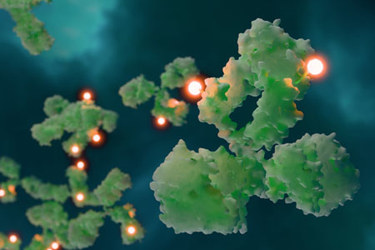
More than 125 antibody-drug conjugates have entered clinical trials, yet only four have reached market approval. Van Berkel and van Delft argue that heterogeneity and linker instability inherent to conventional lysine and cysteine conjugation approaches are at least partly responsible for this attrition, and that enzymatic strategies offer a more controlled path forward.
The review covers five chemo-enzymatic approaches that have reached or are approaching clinical evaluation: bacterial transglutaminase, sortase, formylglycine-generating enzyme, glycosyl transferase, and isoprenoid transferase. For each, the authors examine the mechanistic basis for site-specificity, the structural factors governing payload placement and stability, and the evidence connecting conjugation chemistry to pharmacokinetic behavior and therapeutic window.
The discussion is grounded in specific near-clinical candidates, illustrating where enzymatic conjugation has produced measurable improvements over conventional methods and where questions remain. Researchers and development teams working on next-generation ADC platforms will find this a technically substantive reference. Read the full review to examine the evidence behind each approach.
Get unlimited access to:




Enter your credentials below to log in. Not yet a member of Drug Discovery Online? Subscribe today.