
Elusive Success Of CDK2: Why That May Be Changing
By Solomon Zeleke, Ph.D.
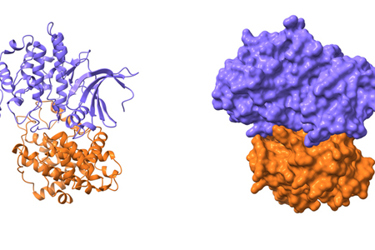
Cyclin-dependent kinases (CDKs) are serine/threonine kinases that regulate cell-cycle progression and transcriptional control.1 Their catalytic activity depends on association with cyclin subunits and regulatory cofactors, forming CDK-cyclin heterodimeric complexes that orchestrate fundamental biological processes. Beyond cell division, CDK signaling influences angiogenesis, hematopoiesis, transcriptional regulation, apoptosis, neuronal function, metabolism, DNA repair, and other tightly regulated cellular programs.
Among these kinases, CDK2 occupies a pivotal position in cell-cycle control.2 In complex with cyclin E, CDK2 drives the G1/S checkpoint transition, licensing DNA replication. In association with cyclin A, it regulates S-phase progression and replication fidelity. Dysregulation of CDK2 activity — through CCNE1 amplification, cyclin E overexpression, retinoblastoma protein (RB) pathway disruption, or checkpoint defects — has been documented across multiple tumor types. These observations, widely reported in the literature over the past two decades, established CDK2 as an attractive therapeutic target long before CDK4/6 inhibitors reached the clinic.
Yet despite this strong biological rationale, CDK2 inhibitors have not achieved regulatory approval.
The CDK4/6 Breakthrough And CDK2’s Absence
The clinical validation of CDK4/6 inhibition marked a turning point in oncology drug development. The approvals of palbociclib, ribociclib, abemaciclib, and other CDK4/6 inhibitors demonstrated that selective targeting of cell-cycle regulators can provide durable benefits in hormone receptor-positive breast cancer. These agents established CDK inhibition as a clinically viable strategy when combined with endocrine therapy in RB-proficient tumors.
In contrast, CDK2, despite its central role in G1/S progression, has remained absent from the approval landscape. This divergence was not due to lack of interest but reflected structural, biological, and strategic challenges that delayed translation.
Structural Constraints: The CDK2–CDK1 Selectivity Problem
One of the most significant barriers to CDK2 drug development has been its structural homology with CDK1.3 The adenosine triphosphate (ATP)-binding cleft of CDK2 is highly conserved relative to CDK1, which is essential for mitotic progression in normal proliferating tissues. Even partial inhibition of CDK1 can result in dose-limiting toxicity.4
Early pan-CDK programs illustrated this limitation. Broad-spectrum inhibitors such as flavopiridol demonstrated antitumor activity but had narrow therapeutic windows due to insufficient selectivity.5 Unlike CDK4 and CDK6, which have exploitable structural differences that allow clearer pharmacologic discrimination, CDK2 proved more difficult to separate from CDK1 inhibition using traditional ATP-competitive scaffolds.
Structure-guided drug design efforts reported in the structural biology literature have since revealed subtle conformational differences, including cyclin-bound states and allosteric pocket dynamics, that may enable improved selectivity.6 However, these insights emerged gradually and required advances in crystallography and kinase conformational modeling.
Biological Redundancy And The Dilution Of Clinical Signals
Structural similarity alone does not explain CDK2’s delayed clinical success. Genetic knockout studies in preclinical models showed that CDK2 is not universally essential for cell-cycle progression.7 In certain contexts, CDK1 can compensate for CDK2 loss, preserving S-phase entry. This functional redundancy complicated early therapeutic strategies and weakened the rationale for broad, unselected clinical trials.
Without biomarker-driven enrichment, early CDK2-directed programs risked enrolling heterogeneous tumor populations with inconsistent dependency. As CDK4/6 inhibitors rapidly demonstrated clinical efficacy and commercial success, research investment naturally prioritized the validated axis, leaving CDK2 development comparatively underemphasized.
Emerging Clarity: Context-Specific CDK2 Dependency
Recent advances in tumor genomics, functional dependency mapping, and replication stress biology have reshaped the narrative. CDK2 dependency is now understood to be context-specific rather than universal.
Tumors characterized by CCNE1 amplification or cyclin E overexpression, frequently observed in high-grade serous ovarian carcinoma, exhibit heightened replication stress and increased reliance on CDK2 activity.8 Similarly, BRCA1-deficient tumors display DNA repair vulnerabilities that may amplify CDK2 dependence.9 In endocrine-resistant (ER)-positive breast cancer, CDK2 activation often emerges as a bypass mechanism following CDK4/6 blockade.10 Loss of p16INK4A and RB pathway disruption further shift proliferative control toward CDK2-driven signaling.2
These molecularly defined subsets support the concept of “CDK2 addiction,” in which selective inhibition may produce meaningful therapeutic responses. The literature increasingly frames CDK2 not as a universal cell-cycle driver but as a conditional vulnerability in genomically stratified populations.
The New Generation Of CDK2 Inhibitors
The current wave of CDK2-selective programs reflects lessons learned from earlier setbacks. Compounds, such as PF-07104091 (also known as tegtociclib), AZD8421, and INCB123667, are being developed with greater emphasis on CDK2/CDK1 selectivity and biomarker-enriched trial designs.11,12 While some programs, including BLU-222, have been discontinued, these efforts collectively underscore industry recognition of CDK2’s strategic importance.
Clinical strategies increasingly focus on patient populations defined by CCNE1 amplification, replication stress signatures, or resistance to prior CDK4/6 therapy. Instead of pursuing broad cytostatic indications, sponsors are targeting molecular niches where CDK2 dependency can be mechanistically justified.
Beyond Inhibition: Targeted Degradation And New Modalities
New modalities may further expand CDK2’s therapeutic potential. Targeted protein degradation approaches, including molecular glues and heterobifunctional protein degraders, aim to eliminate CDK2 or its cyclin E1 partner rather than simply inhibit catalytic activity.13 Companies, such as Monte Rosa Therapeutics and Kymera Therapeutics, are advancing degradation-based strategies in preclinical development.13,14 Programs such as MRT-50969 exemplify efforts to exploit ubiquitin-proteasome pathways to degrade CDK2 in CCNE1-dependent models.
Degradation may offer advantages in contexts where scaffolding or non-catalytic functions of CDK2 contribute to oncogenic signaling. By removing the protein entirely, degraders could overcome limitations inherent to reversible inhibition.
Precision Oncology And Combination Strategies
Equally important is the evolution of oncology drug development paradigms. Precision medicine frameworks now integrate genomic diagnostics, adaptive trial designs, and rational combination regimens targeting synthetic vulnerabilities. CDK2 inhibition is increasingly evaluated alongside endocrine therapy, PARP inhibitors, and, in certain contexts, cytotoxic chemotherapy.
This strategy differs significantly from earlier pan-CDK approaches that prioritized pathway ubiquity. Instead, CDK2 is positioned within defined molecular architectures, such as replication stress, checkpoint dysregulation, and endocrine escape, where dependency can be prospectively identified.
Conclusion: A Target Whose Time May Be Arriving
CDK2 has eluded clinical validation not because its biology lacked relevance, but because structural similarity, functional redundancy, and insufficient biomarker integration delayed its translation. Advances in structural biology, dependency mapping, and precision oncology have systematically addressed these limitations.
Whether selective CDK2 inhibition will lead to regulatory approval remains to be seen. However, the scientific, translational, and strategic conditions necessary for success are more aligned today than at any point in the past two decades. In this sense, CDK2 may indeed represent the long-missing piece of the CDK inhibitor landscape, with its therapeutic window finally beginning to open.
References
- Pellarin, I.; Dall’Acqua, A.; Favero, A.; Segatto, I.; Rossi, V.; Crestan, N.; Karimbayli, J.; Belletti, B.; Baldassarre, G. Cyclin-dependent protein kinases and cell cycle regulation in biology and disease. Signal Transduction and Targeted Therapy 2025, 10 (1), 11. DOI: 10.1038/s41392-024-02080-z.
- Knudsen, E. S.; Witkiewicz, A. K.; Sanidas, I.; Rubin, S. M. Targeting CDK2 for cancer therapy. Cell Reports 2025, 44 (8), 116140. DOI: https://doi.org/10.1016/j.celrep.2025.116140.
- Shkil, D. O.; Fokina, A. S.; Asainov, D. T.; Petersen, E. V.; Ivashchenko, A. A.; Maximov, P. Y. Selectivity analysis of CDK2 inhibitors via molecular dynamics of CDK1 and CDK2. Journal of Molecular Graphics and Modelling 2026, 144, 109266. DOI: https://doi.org/10.1016/j.jmgm.2025.109266.
- Santamaría, D.; Barrière, C.; Cerqueira, A.; Hunt, S.; Tardy, C.; Newton, K.; Cáceres, J. F.; Dubus, P.; Malumbres, M.; Barbacid, M. Cdk1 is sufficient to drive the mammalian cell cycle. Nature 2007, 448 (7155), 811-815. DOI: 10.1038/nature06046.
- Shi, Z.; Tian, L.; Qiang, T.; Li, J.; Xing, Y.; Ren, X.; Liu, C.; Liang, C. From structure modification to drug launch: a systematic review of the ongoing development of cyclin-dependent kinase inhibitors for multiple cancer therapy. Journal of Medicinal Chemistry 2022, 65 (9), 6390-6418. DOI: 10.1021/acs.jmedchem.1c02064.
- Faber, E. B.; Sun, L.; Tang, J.; Roberts, E.; Ganeshkumar, S.; Wang, N.; Rasmussen, D.; Majumdar, A.; Hirsch, L. E.; John, K.; et al. Development of allosteric and selective CDK2 inhibitors for contraception with negative cooperativity to cyclin binding. Nature Communication 2023, 14 (1), 3213. DOI: 10.1038/s41467-023-38732-x.
- Matthews, H. K.; Bertoli, C.; de Bruin, R. A. M. Cell cycle control in cancer. Nature Reviews Molecular Cell Biology 2022, 23 (1), 74-88. DOI: 10.1038/s41580-021-00404-3.
- Kanska, J.; Zakhour, M.; Taylor-Harding, B.; Karlan, B. Y.; Wiedemeyer, W. R. Cyclin E as a potential therapeutic target in high grade serous ovarian cancer. Gynecologic Oncology 2016, 143 (1), 152-158. DOI: https://doi.org/10.1016/j.ygyno.2016.07.111.
- Deans, A. J.; Khanna, K. K.; McNees, C. J.; Mercurio, C.; Heierhorst, J. r.; McArthur, G. A. cyclin-dependent kinase 2 functions in normal DNA repair and is a therapeutic target in BRCA1-deficient cancers. Cancer Research 2006, 66 (16), 8219-8226. DOI: 10.1158/0008-5472.
- Álvarez-Fernández, M.; Malumbres, M. Mechanisms of sensitivity and resistance to CDK4/6 Inhibition. Cancer Cell 2020, 37 (4), 514-529. DOI: 10.1016/j.ccell.2020.03.010.
- Gerosa, R.; De Sanctis, R.; Jacobs, F.; Benvenuti, C.; Gaudio, M.; Saltalamacchia, G.; Torrisi, R.; Masci, G.; Miggiano, C.; Agustoni, F.; et al. Cyclin-dependent kinase 2 (CDK2) inhibitors and others novel CDK inhibitors (CDKi) in breast cancer: clinical trials, current impact, and future directions. Critical Review in Oncology Hematology 2024, 196, 104324. DOI: 10.1016/j.critrevonc.2024.104324.
- House, I.; Valore-Caplan, M.; Maris, E.; Falchook, G. S. Cyclin dependent kinase 2 (CDK2) inhibitors in oncology clinical trials: a review. Journal Immunotherapy Precision Oncology 2025, 8 (1), 47-54. DOI: 10.36401/jipo-24-22.
- Kwiatkowski, N.; Liang, T.; Sha, Z.; Collier, P. N.; Yang, A.; Sathappa, M.; Paul, A.; Su, L.; Zheng, X.; Aversa, R.; et al. CDK2 heterobifunctional degraders co-degrade CDK2 and cyclin E resulting in efficacy in CCNE1-amplified and overexpressed cancers. Cell Chemical Biology 2025, 32 (4), 556-569.e524. DOI: 10.1016/j.chembiol.2025.03.006.
- Zeng, Y.; Ren, X.; Jin, P.; Fan, Z.; Liu, M.; Zhang, Y.; Li, L.; Zhuo, M.; Wang, J.; Li, Z.; et al. Inhibitors and PROTACs of CDK2: challenges and opportunities. Expert Opiniom Drug Discovery 2024, 1-24. DOI: 10.1080/17460441.2024.2376655.
About The Author
 Solomon Tadesse Zeleke, Ph.D., is an assistant professor in the Department of Biomedical and Pharmaceutical Sciences at Idaho State University College of Pharmacy. He is a medicinal chemist and drug discovery scientist specializing in cyclin-dependent kinase (CDK) biology, targeted protein degradation, and translational oncology research. His work integrates structure-guided design, kinase selectivity profiling, and small molecule synthesis to develop next-generation CDK inhibitors and molecular glue degraders for cancer therapy.
Zeleke earned his Ph.D. in medicinal chemistry from the University of South Australia and completed postdoctoral training at H. Lee Moffitt Cancer Center and Research Institute. His research has contributed to patented kinase inhibitor scaffolds and translational CDK-targeted therapeutic strategies.