
Beyond Biologics: A Biophysical Approach To Crohn's Disease
By Eden Ben, CEO, Amorphical
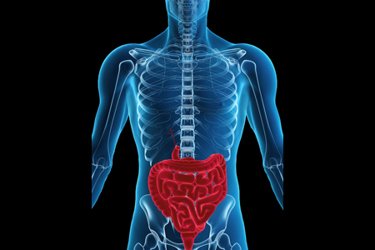
Over the last three decades, drug developers have focused on systemic immunosuppression as the primary mechanism for Crohn’s treatment. While this approach helps patients to manage symptoms and prevent long-term mucosal damage, a therapeutic ceiling remains. Many patients fail to initially respond, while others achieve remission only to lose it over time, often within the first year.
This is not only a clinical hurdle but a sign that additional treatment strategies may need to be considered. We need to look beyond symptomatic inflammation to the underlying biophysical imbalances in the intestinal microenvironment that drive it.
Emerging research into a nano-amorphous approach suggests the next breakthrough in Crohn’s management may not come from a new immunosuppressive target but from a fundamental shift toward modulating the biophysical environment of the gut, specifically through the stabilization of localized pH.
Acidosis As A Pathophysiological Driver Of Inflammatory Bowel Disease
Chronic inflammation in Crohn’s disease creates a localized state of acidosis that alters the gut’s chemistry. As immune cells infiltrate the intestinal wall, they consume large amounts of oxygen and release protons, lowering the pH and creating tissue that is significantly more acidic than healthy tissue.
This localized acidosis should not be treated as a secondary byproduct when, in fact, it is a driver of disease. Low pH levels have been shown to impair the structural integrity of the epithelial barrier, inhibit the tight junction proteins that prevent gut leakage, and even facilitate the entry of pathogens into the mucosa. Critically, an acidic environment creates a self-sustaining process whereby the acidity triggers further inflammation, which in turn exacerbates the acidosis.
Neutralizing the biophysical environment is critical for treatment success and sustained remission in Crohn’s disease. If the mucosal microenvironment remains acidic, mucosal healing will continue to stall, regardless of how effectively a systemic biologic is suppressing the immune system. This understanding necessitates the discovery and development of interventions that can neutralize local acidity and support greater therapeutic efficacy.
The Challenge Of Solubility
The scientific foundations of base minerals neutralizing acidity stretch back over the last two centuries. Yet we have faced an ongoing challenge as most minerals in nature exist in a stable crystalline state. While chemically sound, these structures have low solubility and poor bioavailability. A patient with Crohn’s, for example, will see no benefit from a standard mineral supplement that often passes through the digestive tract without any impact on the pH of the inflamed intestinal tissue.
This is where the nano-amorphous mineral approach represents a paradigm shift. By stabilizing these molecules in a nanoscale amorphous state, we can fundamentally change their behavior.
Nano-amorphous minerals are inherently high energy and metastable. Without the rigid structure of a crystal, they exhibit significantly higher solubility levels than their crystalline counterparts. When delivered to the site of intestinal inflammation, the molecules act as a high-velocity biological buffer, providing a rapid release of ions that can modulate pH at the cellular level, neutralizing protons and breaking the acidosis–inflammation cycle.

From Lab To Clinic
Over the years, our conviction that Crohn’s required a biophysical solution did not come from a single “perfect” Crohn’s animal model, it came from a consistent pattern we repeatedly saw across inflamed tissue. In disease after disease, inflammation doesn’t just coexist with acidity; it generates it, and then that low‑pH microenvironment feeds back into the inflammatory machinery.
The literature shows that acidity can function like a danger signal in its own right, capable of triggering core innate immune programs, with the gut especially tuned to sense and adapt to pH shifts. That made the hypothesis actionable: if we could safely stabilize and deliver an alkalizing mineral in a form that becomes active only when the microenvironment becomes acidic, we might be able to weaken one of the simplest engines that keeps inflammation running.
From a preclinical standpoint, the work that led us to Crohn’s was centered on mechanism, materials science, and translatability. Stabilized nano‑amorphous minerals were engineered to dissolve responsively in mildly acidic environments and to quench acidity‑activated downstream biology in vivo, effects that show up as changes in enzymes and pathways that typically intensify when pH drops.
In parallel, human pharmacology work demonstrated that amorphous minerals behave differently than their crystalline counterparts in absorption and bioavailability, and that gave us the confidence that this was not just a theoretical buffer but a material with real biological leverage. Put together, those pieces justified moving into an enteric‑coated oral approach in Crohn’s.
Targeting Mucosal Healing Via Non-Immunosuppressive Pathways
This nano-amorphous approach presents a completely different mechanism of action to immunosuppression. By targeting the biophysical environment and neutralizing the acid that prevents tissue repair, these nanoparticles can facilitate mucosal healing, which is the ultimate goal of inflammatory bowel disease (IBD) therapy.
Furthermore, this biophysical stabilization could have profound implications for the epithelial function. Calcium ions, when delivered in amorphous form, play a critical role in epithelial function and the maintenance of the intestinal barrier. By restoring molecular homeostasis alongside pH balance, this approach may help interrupt the feedback loop between inflammation and local acidity in IBD.
This is particularly meaningful for gastroenterologists who constantly balance drug efficacy against the risks, such as systemic immunosuppression, opportunistic infections, and potential long-term malignancy risk. Additionally, this approach may help improve treatment adherence by reducing the need for patients to stop therapy after loss of efficacy and switch to a new treatment regimen.
The clinical validity of this approach was recently demonstrated in a placebo-controlled Phase 2 study for moderate to severe Crohn’s disease. Patients treated with nano-amorphous calcium carbonate (ACC) molecules achieved more than double the reduction in disease activity compared to placebo. Most importantly, long-term follow-up showed a powerful signal of sustained clinical remission, with 75% of patients who completed 36 weeks of treatment maintaining a clinical response. This non-immunosuppressive pathway was well tolerated with no treatment-related adverse events, supporting the potential for safe localized biophysical modulation.
The Future Of Integrated IBD Pharmacology
The emergence of nano-amorphous pharmacology does not signal the end of biologics but rather introduces a new category of foundational therapies. We are moving toward multimodal IBD management where we can address disease from both immunological and biophysical perspectives.
In a clinical setting, a pH-modulating molecular therapy could serve as a monotherapy for patients in the early stages of disease or for those who are resistant to standard-of-care therapies. Alternatively, it could act as an adjunct, stabilizing the gut environment to allow existing biologics to work more effectively.
The gastroenterology field must broaden its focus. We have spent decades fine-tuning how we block inflammatory signals. It is time we addressed the underlying intestinal environment that powers these signals. By leveraging the unique properties of nano-amorphous molecules, we have the opportunity to provide patients with a new, safe, and sustainable approach to remission that begins by simply restoring the balance of the gut's own chemistry.
About The Author
 Eden Ben is a biomedical engineer and the CEO of Amorphical, a clinical-stage biotechnology company pioneering nano-amorphous mineral pharmacologic agents. He earned his BSc in medical engineering from Afeka Academic College of Engineering, where he specialized in the mechanics of physiological systems.