
Harnessing Mitochondria: A New Frontier In Therapeutic Innovation
By Natalie Yivgi-Ohana, Ph.D., CEO, Minovia Therapeutics
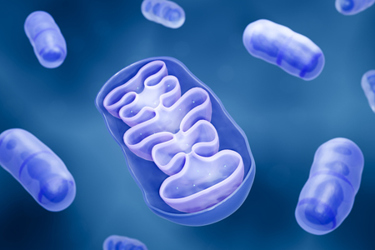
Mitochondria, also known as the powerhouse of our cells, are responsible for energy production, as well as steroid hormone production, cellular metabolism, and protein synthesis. When mitochondria fail, serious and life-threatening diseases occur. Multiple organs are affected, resulting in kidney diseases, diabetes, muscle weakness, brain and heart dysfunction, and even vision and hearing loss. Those symptoms can appear early in childhood when patients are born with genetic mitochondrial aberrations or during the aging process, correlating with age-related chronic diseases.
Mitochondria are complex organelles that have many functions, and so far, all efforts to develop drugs that can reverse mitochondrial dysfunction have failed. But what if we can actually replace the damaged mitochondria with young and healthy mitochondria?
In recent years, a new therapeutic field has evolved: mitochondrial transplantations. Minovia Therapeutics, as well as other scientists, was able to prove that isolated mitochondria can reenter cells. Those mitochondria can fuse into the endogenous mitochondrial network and rescue cell function and viability. There are currently hundreds of publications highlighting the benefit of mitochondrial transplantation in multiple disease models, and there are at least five companies developing mitochondria-based products.
The Source Of Mitochondria
Minovia is a clinical-stage company developing MNV-201 for Pearson syndrome, a rare pediatric disease, and myelodysplastic syndrome (MDS), an age-related bone marrow failure disorder that causes severe anemia and could develop into acute myeloid leukemia (AML).
MNV-201 is a cell therapy approach that aims to introduce young and healthy mitochondria into the hematopoietic and blood system. The therapeutic approach includes collecting mobilized hematopoietic stem cells from the peripheral blood and enriching them with healthy, functional mitochondria. Early proof-of-concept clinical work utilized mitochondria from the hematopoietic system — since in early product exploration, we didn’t know how important it was to match the tissue of origin of the mitochondria and the recipient cell. After preclinical studies demonstrated that mitochondria from the placenta, an ephemeral organ generally regarded as medical waste, were even more potent than blood-derived mitochondria — with an identical safety profile — we switched the clinical product to utilize allogeneic mitochondria. From a single placenta, within a few hours, we can produce hundreds of doses of mitochondria and cryopreserve them while maintaining their function and use them to augment cells.
MNV-201 is the second-generation product of Minovia. The first generation, MNV-101, included mitochondria from the blood of mothers, assuming this would be the best match for the children affected with Pearson syndrome. However, collecting blood from mothers for mitochondrial isolation resulted in a limited quantity of mitochondria: each unit of blood (500 ml) resulted in one dose per patient — and with limited availability for quality control tests that are mandatory for each manufactured batch. The maternal blood mitochondria were developed only for the purpose of non-inherited mitochondrial diseases, limiting the product for ultra-rare diseases such as Pearson syndrome and Kearns-Sayre syndrome (KSS). Once we developed the placental-mitochondria source, we were able to compare the two sources in terms of quality, and it appeared that placental mitochondria have two times higher mitochondrial DNA (mtDNA) content per mitochondrion and 10 times higher mitochondrial activity compared to blood-derived mitochondria. Importantly, when we assess both the safety and effectiveness of Pearson syndrome patients treated with the first or second generation product (utilizing blood-derived and placenta-derived mitochondria, respectively), results are similar.
Risks With Mitochondrial Infusions
While the initial intention of Minovia was to treat patients with isolated mitochondria, during the first developmental years, we realized the risks associated with mitochondrial infusions: mitochondria are very sensitive organelles that require specific conditions to maintain their integrity and function. Once isolated from cells, if not cryopreserved, they rapidly lose their function, integrity, and ability to enter cells. When placed in non-optimal conditions (for example, outside their natural environment within the cells or in the bloodstream), their membranes may rupture and release their internal content, including mtDNA, which can induce an immune response and eventually impair mitochondrial activity. This is why Minovia’s approach is to augment stem cells ex vivo and inject the autologous stem cells that contain only internalized mitochondria and not free mitochondria, therefore eliminating the risk of ruptured mitochondria and immune response.
Using novel analytical tools, Minovia and others have demonstrated that mitochondria can transfer between cells through tunnelling nanotubes or extracellular vesicles, especially from healthy to diseased cells, thus continuing to deliver healthy mitochondria systemically after mitochondrial augmentation.
Several open questions still apply when developing mitochondrial transplantation therapies:
- What is the optimal source of mitochondria, considering quality, scalability, manufacturing, and CMC concerns?
The optimal source of mitochondria for treatment — whether from a specific cell type or tissue or grown in bioreactors for scale — will need to be considered. Each choice may affect safety or efficacy aspects, manufacturing yields and purity, and cost of treatment.
- What are the safety concerns with respect to the use of allogeneic mitochondria?
There are long-term safety concerns from an allogeneic source (third-party donor-derived mitochondria): mtDNA is only inherited from mothers, and there is no mix of two (or more) different mitochondrial types in nature — only in the case of mutations that cause diseases. The persistence of exogenous mtDNA in parallel with endogenous mtDNA, and the long-term implications of introducing a foreign type of mtDNA to people, will need to be assessed years after applying the treatment.
- What are the quality control tests that can accurately capture optimal mitochondrial manufacturing?
Novel analytical tools and new regulatory fields need to be developed. Minovia invested the past nine years to developing the required tools and manufacturing processes and controls, based on regulatory discussions with the FDA.
Benefits Of Mitochondrial Transplantation
Minovia’s focus on hematopoietic stem cells is intended to target a major organ system (blood and immune) that is impaired in primary and secondary mitochondrial diseases as well as in the aging process. Our goal is to rejuvenate the immune system. A better functioning immune system results in less frailty; better fight against invading pathogens, such as viruses, bacteria, and even cancer cells; and better function of multiple organ systems that highly depend on immune cells' function, including the brain, muscles, kidneys, and more.
One fundamental element in developing novel therapies is the ability to measure clinical impact. For decades, there were no reliable biomarkers or diagnostic tests for mitochondrial dysfunction. Perhaps this is one of the major reasons why drug development failed for mitochondrial diseases. As part of the mission, in parallel to therapeutic development, novel blood biomarkers are being developed and tested in clinical trials before and after mitochondrial augmentation technology (MAT) treatment, which demonstrates the direct link between the cause of disease and therapeutic outcomes and mechanism of action. We believe that this approach can increase the likelihood of success.
About The Author
 Natalie Yivgi-Ohana, Ph.D., is a life sciences entrepreneur, scientific founder, and CEO of Minovia Therapeutics Ltd. She has led the company since its incorporation in 2011.
Yivgi-Ohana holds a Ph.D. in biochemistry from the Hebrew University, did a postdoctoral fellowship at the Weizmann Institute, and has more than 20 years of experience in mitochondrial research that led to the development of a novel mitochondrial transplantation approach to treat mitochondrial diseases.