
Bioanalytical and Analytical Sciences
PRODUCTS
-

Learn how robust in-house analytical services and protein characterization are crucial for successful development and manufacturing programs.
-

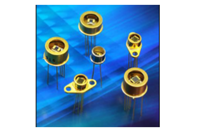
The BXT2-17TF is a high-performance, two-stage cooled infrared detector designed for applications requiring enhanced sensitivity and precision.
-

Digital health technologies have the potential to transform clinical trials, yet without careful planning and support, their implementation can increase site burden and jeopardize data quality.
-

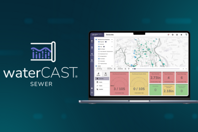
waterCAST Sewer gives you unprecedented insight into the performance of your collection system. Want to achieve near-psychic powers to prevent floods and overflows? It takes less than an hour to find out how this digital twin makes it possible.
-

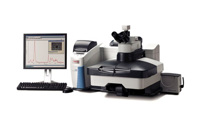
Access Raman data faster than ever with this easy-to-use point-and-shoot Raman Microscope.

WHITE PAPERS AND CASE STUDIES
-
 Navigating The Global Epilepsy Clinical Trial Terrain In 2024
Explore the forefront of epilepsy research with Novotech CRO's comprehensive analysis, unveiling innovative therapies, clinical trials, and future trends shaping epilepsy care.
-
 Reduce Avoidable Protocol Amendments By Anticipating Operational Pitfalls
This report examines how amendment drivers vary across therapeutic areas and how those changes impact execution, patient burden, site workload, timelines, and study costs.
-
 Monitoring Laser Micromachining Equipment In Semiconductor Production
Explore the challenge of monitoring laser power within micromachining systems—using short, ultra-short pulse, and UV lasers—to maintain stringent quality standards and minimize defects.
-
 Advancing QC Efficiency With SEC-MALS System And Empower Software
Discover how integration transforms lab workflows to enhance molecular characterization, streamline data management, and ensure compliance for superior data integrity and operational efficiency.
-
 Quantitation Of Monoclonal Antibodies In Serum
Monoclonal antibodies (mAbs) are a rapidly growing group of targeted therapeutics. Gain insight into the importance of optimized bioanalytical assay platforms for mAb development.
-
 Quality Assurance In IVT RNA Vaccine Development Using Electrophoresis
Discover advanced solutions for IVT RNA synthesis, focusing on enhancing fidelity in throughput, innovative technologies, and methodologies to optimize your RNA research and development processes.
-
 Effect of Shelf Cooling Rate on the Nucleation Temperature of Ice Monitored Using Thermocouples and Wireless Temperature Sensors
Freezing conditions shape ice structure, mass transfer resistance, and drying efficiency. Data shows how cooling rate, vial size, and nucleation interact to optimize freeze-drying.
-
 Factors Influencing CD34+ Cell Collection Efficiency In Leukapheresis
Efficiently collecting sufficient peripheral blood stem cells is paramount for successful transplantation, necessitating a deeper understanding of influencing factors and procedural nuances.
-
 What FDA CRLs Reveal About Method Validation
FDA rejection letters reveal validation failures are structural, not technical. Weak lifecycle oversight, robustness, and documentation continue to delay approvals despite clear guidance.
-
 Soil Testing: From Filtration To Fertilizer To Food
Soil analysis offers a clear view of the factors that influence land productivity while helping identify contaminants that could threaten safety. Understand the indicators to support sustainability decisions.
-
 Safety, Containment, And Analysis Of Highly Potent Compounds
Explore a comprehensive overview of the challenges, requirements, and best practices for safely working with highly potent compounds in drug development and manufacturing.
-
 Criticality And Risk Analysis Helps Mojave Water Agency Optimize Maintenance Activities And Realize Cost Savings
Amid a decrease in water supply and reliability, the MWA has seen a rise in costs and operational challenges related to regional expansion, increased regulatory requirements, climate change, and aging infrastructures. Despite these challenges, the MWA remains committed to managing groundwater basins sustainably, importing water responsibly, and proactively addressing risks using sound scientific practices.











NEWS
-
Synexa Life Sciences Achieves Highest Level My Green Lab Certification, Reinforcing Commitment To Lab Sustainability2/4/2025
Synexa Life Sciences has proudly achieved the My Green Lab Certification at the highest ‘Green’ level at its Cape Town, South Africa facility.
-
New FSWX Signal And Spectrum Analyzer With Novel Architecture Overcomes Limits Of Today's Analysis Methods6/13/2025
Rohde & Schwarz is set to revolutionize the field of signal and spectrum analysis with the launch of the FSWX signal and spectrum analyzer, an innovative instrument designed to overcome the limitations of current measurement methods.
-
Svar Life Science And Lablytica Life Science Announce Strategic Partnership To Expand Bioanalytical Services With Advanced LCMS/MS Capabilities6/10/2025
Svar Life Science, a leading provider of bioanalytical and diagnostic solutions, is proud to announce a strategic partnership with Lablytica Life Science, a Swedish contract research organization (CRO) specializing in advanced bioanalytical services.
-
What Is Leaf Tissue Analysis And Why Is It Useful In Potato Crops?5/19/2025
Leaf tissue analysis is a vital tool for managing the nutritional health of potato crops. While the OptiYield soil analysis system predicts nutrient availability to the crop from the soil, it can’t predict the weather and conditions, so cannot know precisely what the plants will actually take up dynamically during the growing season.
-
Saelig Introduces The Tekbox TBVNA-6000 1Hz – 6GHz Vector Network Analyzer3/18/2025
Saelig Company, Inc. has introduced the Tekbox TBVNA-6000 Two-Port Vector Network Analyzer, which offers a comprehensive range of measurement features to allow a detailed frequency analysis of RF devices and components, as well as sound-frequency products.
ABOUT
About Nutrient Removal
Nutrient removal from wastewater consists of treating wastewater to remove nitrogen and phosphorus before it reenters natural waterways. High levels of nitrogen and phosphorus in wastewater cause eutrophication, a process where excess nutrients stimulate excessive plant growth such as algal blooms and cyanobacteria. The decomposition of the algae by bacteria uses up the oxygen in the water causing other organisms to die. This creates more organic matter for the bacteria to decompose. In addition, some algal blooms can produce toxins that contaminate drinking water supplies.
As authorized by the Clean Water Act, the National Pollutant Discharge Elimination System (NPDES) permit program regulates point sources, such as municipal wastewater treatment plants, that discharge pollutants as effluent into the waters of the United States. In recent years, many of the States’ environmental bodies have lowered nutrient limits to arrest eutrophication. Maryland’s effort to protect the Chesapeake Bay and its tidal tributaries is perhaps the most notable example of nutrient removal in the US. Nutrient removal continues to be a growing area of focus for wastewater treatment throughout the world.
The removal of nitrogen and phosphorus require different nutrient removal processes. To remove nitrogen, the nitrogen is oxidized from ammonia to become nitrate through a process called nitrification. This process is then followed by denitrification where the nitrate is reduced to nitrogen gas which is released to the atmosphere and removed from the wastewater.
Nitrification is a two-step aerobic process which typically takes place in aeration tanks. Denitrification requires anoxic conditions to encourage the appropriate biological conditions to form. The activated sludge process is often used to reduce nitrate to nitrogen gas in anoxic or denitrification tanks.
Phosphorus can be removed biologically using polyphosphate accumulating organisms (PAOs) which accumulate large quantities of phosphorus within their cells and separate it from treated water. Phosphorus removal can also be achieved by chemical removal. Once removed as sludge, phosphorus may be stored in a land fill. However, many municipalities and treatment facilities are looking to resell the biosolids for use in fertilizer.